
The world of medical imaging hinges on the expertise of radiology technologists, the unsung heroes who capture the intricate details within our bodies. From bustling hospital corridors to specialized clinics, these professionals play a critical role in diagnosing and treating a myriad of medical conditions. Their technical skills, coupled with a compassionate approach, are essential in providing optimal patient care. This deep dive explores the multifaceted role of the radiology technologist, examining everything from educational pathways and daily routines to ethical considerations and career advancement opportunities.
This article will delve into the educational requirements, the diverse specializations within the field, and the crucial role technologists play in ensuring patient safety. We’ll examine the impact of technological advancements, the challenges they face, and the ethical and legal responsibilities they must uphold. Furthermore, we’ll explore the various career paths available and the essential communication skills needed for effective collaboration within the healthcare team. Prepare to uncover the fascinating world behind the X-ray screen and gain a deeper appreciation for the vital contributions of radiology technologists.
What are the essential educational requirements for becoming a radiology technologist and how do they vary across different regions?
Aspiring radiology technologists must meet specific educational benchmarks to practice, ensuring they possess the necessary skills and knowledge to operate imaging equipment and provide patient care. These requirements, however, are not uniform globally. Variations exist across countries and even within regions of the same country, influencing the pathways individuals take to enter the profession. These differences reflect variations in healthcare systems, accreditation standards, and licensing regulations.
Educational Pathways
The educational journey to becoming a radiology technologist typically involves completing an accredited program, which provides both theoretical knowledge and practical clinical experience. Several program types exist, each offering a different duration and depth of study.
- Associate’s Degree Programs: These are typically two-year programs, often offered by community colleges or vocational schools. They provide a foundational understanding of radiography principles, patient care, and imaging techniques. Students learn to operate various imaging equipment, including X-ray machines.
- Bachelor’s Degree Programs: Bachelor’s degree programs in radiography are generally four years long. They build upon the foundation of an associate’s degree, offering a more comprehensive curriculum. These programs often delve deeper into advanced imaging modalities, such as computed tomography (CT), magnetic resonance imaging (MRI), and nuclear medicine. They also include coursework in management, research, and advanced patient care.
- Certificate Programs: Certificate programs are shorter, usually lasting one to two years. These programs are often designed for individuals who already hold a degree in a related field, such as biology or pre-med, and wish to specialize in radiography. They focus on the practical skills and knowledge needed to operate imaging equipment.
Accreditation and Licensing Variations
Accreditation and licensing requirements are critical components of ensuring quality and safety in radiology. These processes vary significantly across different regions, impacting the qualifications needed to practice.
- United States: In the United States, the primary accrediting body for radiography programs is the Joint Review Committee on Education in Radiologic Technology (JRCERT). JRCERT accreditation is essential for eligibility to sit for the American Registry of Radiologic Technologists (ARRT) certification exam. Passing this exam is generally required for licensure in most states. Each state then has its own licensing board that sets specific requirements, which may include continuing education credits to maintain licensure.
The ARRT certification exam covers a broad range of topics, including patient care, radiation safety, image production, and radiographic procedures.
- Canada: In Canada, accreditation is handled differently, varying by province. Programs may be accredited by provincial regulatory bodies or national organizations. For example, the Canadian Medical Radiation Technologists Registry (CMRTO) in Ontario sets the standards and grants licenses for medical radiation technologists. Requirements often include graduation from an accredited program, passing a national certification exam, and completing a period of supervised clinical practice. The Canadian Association of Medical Radiation Technologists (CAMRT) also plays a role in establishing national standards.
- United Kingdom: In the United Kingdom, the Health and Care Professions Council (HCPC) regulates the profession. Radiography programs must be approved by the HCPC. Graduates must complete a program and register with the HCPC to practice. The Society of Radiographers (SoR) provides professional guidance and support to radiographers in the UK. The emphasis is on a degree-level education.
Clinical Experience and Imaging Modalities
Clinical experience is a crucial part of a radiology technologist’s education, providing hands-on training and the opportunity to apply theoretical knowledge in a real-world setting. Students must accumulate a specified number of clinical hours and gain proficiency in various imaging modalities.
- Clinical Hours: The number of required clinical hours varies depending on the program and the region. Programs are designed to ensure students gain sufficient experience in different clinical settings. These hours are often divided among various imaging modalities.
- Imaging Modalities: Students must master a range of imaging modalities, including:
- General Radiography: This involves producing X-ray images of the skeletal system, chest, abdomen, and other body parts.
- Fluoroscopy: This technique uses X-rays to visualize internal organs and structures in real-time, often used during procedures like barium swallows.
- Computed Tomography (CT): CT uses X-rays to create cross-sectional images of the body.
- Magnetic Resonance Imaging (MRI): MRI uses strong magnetic fields and radio waves to create detailed images of organs and tissues.
- Ultrasound: This modality uses sound waves to create images of internal organs and structures.
- Mammography: This specialized form of radiography is used to image the breasts.
How does the daily routine of a radiology technologist differ depending on their specialization and the type of healthcare setting they work in?
The daily life of a radiology technologist is remarkably diverse, shaped by their chosen specialization and the environment in which they practice. Specialization dictates the types of imaging modalities employed and the specific anatomical regions examined, while the healthcare setting influences patient volume, equipment availability, and the overall pace of work. This interplay creates a dynamic professional landscape, offering technologists varied experiences and opportunities for growth.
Specializations within Radiology Technology
Radiology technology offers a range of specializations, each focusing on specific imaging techniques and diagnostic applications. These specializations require advanced training and certification, allowing technologists to develop expertise in particular areas of patient care and image acquisition.
- Mammography: Mammography technologists specialize in breast imaging, using low-dose X-rays to detect breast cancer and other breast abnormalities. They operate mammography equipment, position patients, and ensure high-quality images for radiologists to interpret.
- Computed Tomography (CT): CT technologists utilize X-rays and computer processing to create cross-sectional images of the body. They prepare patients for scans, administer contrast agents, and operate CT scanners to obtain detailed anatomical information.
- Magnetic Resonance Imaging (MRI): MRI technologists use powerful magnetic fields and radio waves to generate detailed images of organs and tissues. They prepare patients for MRI scans, operate MRI scanners, and ensure patient safety throughout the procedure.
- Interventional Radiology: Interventional radiology technologists assist radiologists in performing minimally invasive procedures, such as biopsies, angioplasty, and stent placements. They prepare sterile fields, operate specialized imaging equipment, and provide technical support during these procedures.
- Vascular and Interventional Radiology: These technologists specialize in imaging and treating vascular conditions. They assist physicians during procedures like angiograms, angioplasties, and stent placements, using fluoroscopy and other imaging modalities.
- Nuclear Medicine: Nuclear medicine technologists administer radioactive tracers and operate specialized imaging equipment, such as PET and SPECT scanners, to visualize organ function and diagnose diseases at a molecular level.
- Bone Densitometry: Bone densitometry technologists perform bone density scans, often using dual-energy X-ray absorptiometry (DEXA), to assess bone health and diagnose osteoporosis.
Daily Routine Variations Based on Healthcare Setting
The daily tasks and responsibilities of a radiology technologist vary significantly depending on the healthcare setting. Hospitals, private clinics, and outpatient imaging centers each present unique challenges and opportunities, influencing the technologist’s workflow, patient interactions, and equipment usage. The following table provides a comparative overview:
| Setting | Daily Tasks | Patient Demographics | Equipment Used |
|---|---|---|---|
| Hospital |
|
|
|
| Private Clinic |
|
|
|
| Outpatient Imaging Center |
|
|
|
Ensuring Patient Safety and Providing High-Quality Imaging Services
Radiology technologists are pivotal in the healthcare ecosystem, bridging the gap between advanced imaging technology and patient care. Their primary responsibilities extend beyond simply operating equipment; they encompass a commitment to patient safety, diagnostic accuracy, and the overall well-being of those undergoing imaging procedures. This requires a comprehensive understanding of radiation safety principles, meticulous attention to detail, and excellent communication skills.
Minimizing Radiation Exposure
A cornerstone of a radiology technologist’s role is to minimize radiation exposure to both patients and themselves. This is achieved through the strict adherence to established protocols and the utilization of advanced dose optimization techniques. The guiding principle is to adhere to the ALARA principle: “As Low As Reasonably Achievable.”
The following are key elements in this process:
* Shielding: The use of lead aprons, thyroid shields, and gonadal shielding is standard practice. The effectiveness of these shields depends on their lead equivalency, which is determined by the energy of the X-ray beam. For example, a lead apron typically has a lead equivalency of 0.5 mm, providing substantial protection.
* Collimation: Precise collimation, or restricting the X-ray beam to the area of interest, is crucial. This reduces the volume of tissue exposed to radiation. Modern imaging equipment often includes automatic collimation features.
* Dose Optimization Techniques: These include adjusting technical factors such as kVp (kilovoltage peak) and mAs (milliampere-seconds). The goal is to obtain the best image quality with the lowest possible radiation dose. This often involves using techniques like Automatic Exposure Control (AEC) systems, which automatically adjust the exposure factors based on patient size and anatomy.
* Time and Distance: Limiting the duration of exposure and maximizing the distance from the radiation source are fundamental. Technologists often position themselves behind protective barriers during exposures.
* Regular Equipment Maintenance and Quality Control: Ensuring that the imaging equipment is properly calibrated and functioning correctly is essential for accurate imaging and minimizing unnecessary radiation exposure.
Importance of Patient Communication and Positioning
Effective communication and precise patient positioning are vital for both image quality and patient well-being. A well-informed and properly positioned patient is less likely to require repeat examinations, thereby reducing radiation exposure and improving the diagnostic process.
Effective communication includes:
* Explaining the Procedure: Technologists should clearly explain the procedure to the patient, including what to expect and any necessary instructions, such as holding their breath or remaining still. This helps alleviate anxiety and ensures patient cooperation.
* Addressing Patient Concerns: Taking the time to answer questions and address any concerns the patient may have about the procedure is critical. This builds trust and can help reduce movement during the imaging process.
* Obtaining Patient History: Gathering a relevant patient history, including any previous imaging, allergies, or medical conditions, is essential for ensuring patient safety and tailoring the imaging procedure accordingly.
Precise positioning is equally important:
* Anatomical Accuracy: Proper positioning ensures that the anatomy of interest is accurately captured. This often involves using positioning aids, such as sponges and blocks, to immobilize the patient and achieve the desired image angles.
* Minimizing Motion Artifacts: Instructing the patient to remain still and, when necessary, holding their breath helps to minimize motion artifacts that can degrade image quality.
* Repeat Examinations: Accurate positioning reduces the likelihood of repeat examinations, which expose the patient to additional radiation.
Common Medical Imaging Procedures and Patient Preparation
Radiology technologists perform a wide range of imaging procedures, each with its own specific requirements for patient preparation. Understanding these requirements is essential for ensuring patient safety, optimizing image quality, and providing efficient care.
The following table Artikels common imaging procedures and their typical patient preparation requirements:
| Imaging Procedure | Patient Preparation |
|---|---|
| X-ray (General) | Remove any metallic objects (jewelry, clothing with metal fasteners) from the area of interest. Depending on the area, patients may need to remove clothing and wear a gown. |
| Chest X-ray | Remove jewelry and clothing from the chest area. Patients are instructed to take a deep breath and hold it during the exposure. |
| Abdominal X-ray | Patients may be instructed to fast for several hours prior to the exam to reduce gas in the bowel. Remove jewelry and clothing from the abdominal area. |
| Bone Density Scan (DEXA) | Remove any metal objects. No calcium supplements for 24 hours prior. |
| Fluoroscopy (e.g., Barium Swallow, Upper GI Series) | Patients typically fast for several hours prior. May require the ingestion of contrast agents, such as barium or iodine. |
| Computed Tomography (CT Scan) | Patients may need to fast for several hours prior, depending on the area being scanned and the use of contrast. Remove metal objects. May require the administration of intravenous contrast. |
| Magnetic Resonance Imaging (MRI) | Remove all metallic objects, including jewelry, watches, and credit cards. Patients with certain medical implants (e.g., pacemakers, cochlear implants) may not be eligible for MRI. |
| Mammography | Avoid using deodorant, powders, or lotions on the breasts and underarms. The breasts are compressed during the procedure. |
| Ultrasound | Depending on the area being scanned, patients may need to drink fluids to fill the bladder (e.g., pelvic ultrasound) or fast (e.g., abdominal ultrasound). |
How has technological advancement influenced the role of a radiology technologist, and what new skills are required to stay current in the field?
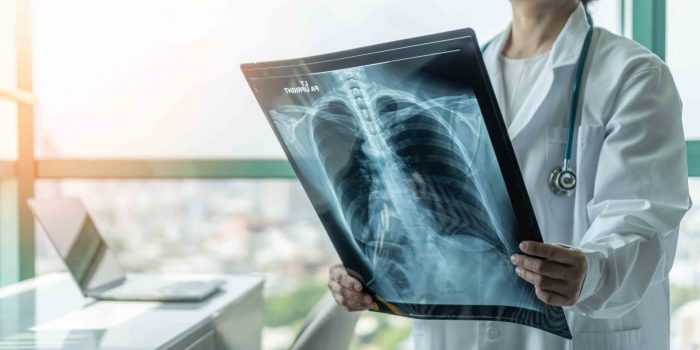
The field of radiology has undergone a profound transformation driven by rapid technological advancements. This evolution has reshaped the responsibilities and skill sets of radiology technologists, demanding continuous learning and adaptation to maintain proficiency. The integration of digital imaging, artificial intelligence, and advanced imaging modalities has fundamentally altered the workflow, requiring technologists to possess a more comprehensive understanding of technology and its applications.
Impact of Digital Imaging, Artificial Intelligence, and Advanced Imaging Modalities
The shift from analog to digital imaging has been a cornerstone of this transformation. This transition has improved image quality, reduced radiation exposure, and streamlined workflow processes. The introduction of artificial intelligence (AI) and advanced imaging modalities like computed tomography (CT), magnetic resonance imaging (MRI), and positron emission tomography (PET) has further enhanced diagnostic capabilities, leading to more accurate and timely diagnoses.
- Digital Imaging: Digital radiography (DR) and computed radiography (CR) systems have replaced traditional film-based systems. This allows for instant image acquisition, storage, and retrieval.
- Image quality is significantly enhanced, providing clearer and more detailed images.
- Radiation dose to patients is often reduced compared to film-based systems.
- Images can be easily shared electronically, facilitating consultations and remote diagnoses.
- Artificial Intelligence (AI): AI algorithms are being integrated into radiology workflows to assist in image analysis and interpretation.
- AI can automatically detect and highlight anomalies in images, assisting radiologists in identifying potential issues.
- AI can improve workflow efficiency by automating tasks such as image registration and segmentation.
- AI-powered tools can assist in providing quantitative data, such as tumor size or bone density measurements.
- Advanced Imaging Modalities: CT, MRI, and PET scanners provide detailed cross-sectional and functional images of the body.
- CT scanners use X-rays to create detailed images of the body’s internal structures.
- MRI uses strong magnetic fields and radio waves to create detailed images of organs and tissues.
- PET uses radioactive tracers to detect metabolic activity in the body.
New Skills and Competencies for Radiology Technologists
To thrive in this evolving landscape, radiology technologists must acquire new skills and competencies. These include a deeper understanding of image reconstruction, data analysis, and equipment maintenance, as well as the ability to adapt to new technologies and workflows. Continuous professional development is essential to staying current.
- Image Reconstruction: Technologists need to understand how images are reconstructed from raw data, particularly in modalities like CT and MRI. This includes knowledge of reconstruction algorithms and their impact on image quality.
- Data Analysis: The ability to analyze and interpret quantitative data generated by imaging systems is becoming increasingly important. This includes understanding measurements of tissue characteristics and the ability to evaluate image quality metrics.
- Equipment Maintenance: A basic understanding of equipment maintenance and troubleshooting is essential to ensure optimal performance and minimize downtime. This includes performing routine checks and recognizing potential issues.
- Advanced Image Processing Techniques: Knowledge of advanced image processing techniques, such as multi-planar reconstruction (MPR), 3D rendering, and post-processing algorithms, is crucial for creating detailed visualizations and extracting relevant information.
- Radiation Safety and Protection: With the increased use of complex imaging modalities, a thorough understanding of radiation safety principles and protocols is essential to minimize patient and staff exposure.
- Adaptability and Continuous Learning: The rapid pace of technological change requires technologists to be adaptable and committed to continuous learning. This includes participating in continuing education courses, attending conferences, and staying updated on the latest advancements.
Future Trends in Radiology Technology
The future of radiology technology promises further innovation, with virtual reality (VR) and augmented reality (AR) poised to play significant roles in training and patient care. These technologies offer immersive experiences that can enhance learning and improve patient outcomes.
- Virtual Reality (VR): VR can be used to create realistic simulations for training technologists.
- VR simulations can replicate complex imaging procedures, allowing technologists to practice their skills in a safe and controlled environment.
- VR can also be used to educate patients about procedures, reducing anxiety and improving understanding.
- Augmented Reality (AR): AR overlays digital information onto the real world.
- AR can be used to assist in image guidance during procedures, providing real-time information to technologists.
- AR can be used to enhance patient education by visualizing internal anatomy.
- Integration of AI and Machine Learning: Further advancements in AI and machine learning will lead to even more sophisticated image analysis tools, improved diagnostic accuracy, and streamlined workflows.
- AI algorithms will be increasingly used to assist in the detection of subtle anomalies and to provide quantitative data to support diagnoses.
- Machine learning will be used to personalize imaging protocols based on patient characteristics and clinical needs.
- Point-of-Care Imaging: The development of portable and handheld imaging devices will enable imaging to be performed at the patient’s bedside or in remote locations.
- This will improve access to care and reduce the need for patients to travel to imaging facilities.
What are the common challenges faced by radiology technologists in their profession, and what strategies can be used to overcome them?
Radiology technologists navigate a demanding profession, encountering various challenges that impact their physical and emotional well-being. Addressing these challenges is crucial for maintaining a sustainable and fulfilling career. Understanding the risks and implementing proactive strategies is vital for success in this field.
Physical and Emotional Demands
The profession presents both physical and emotional strains. Technologists must be aware of these challenges to safeguard their health and well-being.
Repetitive strain injuries (RSIs) are a significant concern. The nature of the job, involving repetitive movements and prolonged standing, can lead to conditions like carpal tunnel syndrome, tendinitis, and lower back pain. Exposure to radiation poses another risk. While safety protocols are in place, the potential for long-term health effects necessitates constant vigilance and adherence to protective measures. Stressful situations are common, ranging from dealing with anxious patients to managing emergency cases. These can lead to burnout and other mental health issues.
Strategies for mitigating these challenges include:
- Ergonomic Practices: Implementing proper body mechanics during procedures, utilizing adjustable workstations, and taking regular breaks to stretch and move.
- Radiation Safety Protocols: Consistently wearing lead aprons and shields, using radiation monitoring badges, and adhering to ALARA (As Low As Reasonably Achievable) principles to minimize exposure.
- Stress Management Techniques: Practicing mindfulness, deep breathing exercises, and seeking support from colleagues or mental health professionals.
- Physical Fitness: Maintaining a healthy lifestyle through regular exercise and proper nutrition to build resilience and reduce the risk of injury.
Managing Stress, Promoting Work-Life Balance, and Fostering a Supportive Work Environment
Addressing stress and burnout is essential for the longevity and well-being of radiology technologists. Work-life balance and a supportive work environment are critical components of this.
Effective stress management strategies involve identifying stressors and developing coping mechanisms. Promoting a healthy work-life balance requires setting boundaries, prioritizing tasks, and making time for personal activities. Fostering a supportive work environment through open communication, teamwork, and access to resources can significantly improve job satisfaction and reduce burnout.
Strategies to promote well-being include:
- Stress Reduction Techniques: Participating in stress management workshops, utilizing relaxation techniques like meditation, and establishing clear boundaries between work and personal life.
- Work-Life Balance: Setting realistic work schedules, avoiding overwork, and prioritizing personal time and activities.
- Supportive Work Environment: Encouraging teamwork, fostering open communication, providing access to mental health resources, and promoting a culture of mutual respect.
Navigating Difficult Patient Interactions and Maintaining Professionalism
Difficult patient interactions are an inevitable part of the job. Radiology technologists must be equipped with strategies to navigate these situations while maintaining professionalism and ensuring patient safety.
Handling anxious or uncooperative patients requires empathy, patience, and effective communication skills. Maintaining professionalism involves remaining calm, respectful, and focused on the patient’s needs.
“Listen actively to the patient’s concerns, validate their feelings, and explain procedures clearly and concisely. Always maintain a calm and reassuring demeanor, even in challenging situations. Remember, your professionalism can significantly impact the patient’s experience and outcomes.” – Experienced Radiology Technologist.
Strategies include:
- Effective Communication: Using clear and concise language, actively listening to the patient’s concerns, and providing empathetic responses.
- Conflict Resolution: Remaining calm and professional, de-escalating tense situations, and seeking assistance from supervisors when necessary.
- Empathy and Compassion: Recognizing and acknowledging the patient’s anxieties and fears, and providing reassurance and support.
- Professional Boundaries: Maintaining appropriate professional boundaries, avoiding personal conversations, and focusing on the patient’s medical needs.
What are the ethical considerations and legal responsibilities that radiology technologists must adhere to in their practice?
Radiology technologists operate within a field heavily reliant on trust, accuracy, and patient well-being. Ethical considerations and legal responsibilities are paramount, forming the bedrock of their practice and ensuring both patient safety and the integrity of the profession. These responsibilities encompass a spectrum of obligations, from protecting patient privacy to adhering to established professional standards.
Patient Confidentiality
Maintaining patient confidentiality is a cornerstone of ethical radiology practice. It ensures patients feel safe and secure, fostering trust in the healthcare system. Breaching confidentiality can have severe consequences, both legally and ethically.
- The Importance of HIPAA: The Health Insurance Portability and Accountability Act (HIPAA) sets the standard for protecting patient health information (PHI). Radiology technologists must strictly adhere to HIPAA regulations, which govern the use, disclosure, and safeguarding of patient data. This includes not only medical records but also images, reports, and any other information that could identify a patient.
- Securing Information: Patient information must be secured both physically and digitally. This includes using secure networks, password-protected systems, and proper disposal of documents. Physical security measures might include restricted access to imaging rooms, secure storage of film or digital media, and limiting access to reports.
- Consequences of Breaches: Violations of patient confidentiality can result in severe penalties, including fines, loss of licensure, and even criminal charges. Reputational damage to the technologist and the healthcare facility is also a significant concern. A well-known example is the 2017 case where a hospital in California was fined $275,000 for failing to protect patient information, highlighting the financial and legal ramifications of HIPAA violations.
Informed Consent
Obtaining informed consent is a critical ethical and legal requirement. It ensures patients understand the procedure, potential risks, benefits, and alternatives before agreeing to undergo imaging.
- Elements of Informed Consent: Informed consent requires providing patients with clear, understandable information about the procedure, including the purpose of the exam, the steps involved, the risks and benefits, and any alternative options. The technologist should also explain potential side effects, such as the injection of contrast media and any associated risks like allergic reactions.
- Patient Autonomy: Patients have the right to refuse a procedure, even if it is deemed medically necessary. The technologist must respect the patient’s autonomy and ensure they are not coerced into undergoing imaging. This includes allowing the patient to ask questions and providing them with adequate time to consider their decision.
- Special Considerations: In cases involving minors or patients who lack the capacity to make informed decisions (e.g., due to cognitive impairment), consent must be obtained from a legal guardian or designated representative. Emergency situations may necessitate procedures without full informed consent, but the technologist must still act in the patient’s best interest.
Adherence to Professional Codes of Ethics
Radiology technologists are bound by professional codes of ethics, which provide guidelines for ethical conduct and professional behavior. These codes serve as a framework for decision-making and help maintain the integrity of the profession.
- The ARRT Code of Ethics: The American Registry of Radiologic Technologists (ARRT) publishes a Code of Ethics that Artikels the principles and standards of conduct for radiologic technologists. This code emphasizes patient care, honesty, integrity, and professionalism.
- Key Ethical Principles: The code of ethics typically addresses principles such as beneficence (acting in the patient’s best interest), non-maleficence (avoiding harm), autonomy (respecting patient’s rights), justice (fairness), and fidelity (being loyal and keeping commitments).
- Ethical Dilemmas: Radiology technologists may encounter ethical dilemmas in their practice, such as dealing with patients who are non-compliant with medical advice, or situations where the patient’s wishes conflict with the best medical practice. Consulting with supervisors, colleagues, or ethics committees can help resolve these dilemmas.
Legal Implications of Improper Imaging Techniques
Improper imaging techniques can lead to inaccurate diagnoses, patient harm, and legal liabilities. Adherence to established protocols and standards is crucial to minimize these risks.
- Standard of Care: Radiology technologists are expected to adhere to the standard of care, which is the level of skill and diligence that a reasonably competent radiologic technologist would exercise under similar circumstances. Failure to meet the standard of care can be considered negligence.
- Imaging Errors: Errors in imaging techniques can result in suboptimal image quality, which may lead to misdiagnosis or delayed diagnosis. This can have serious consequences for patient outcomes. A common example is inadequate positioning, which can obscure critical anatomical structures and make diagnosis difficult.
- Legal Action: Patients who are harmed due to improper imaging techniques may have grounds for legal action, such as a malpractice lawsuit. Successful lawsuits can result in significant financial settlements for the patient.
Errors in Interpretation
While radiology technologists do not interpret images, they are responsible for ensuring image quality and providing accurate information to radiologists, who interpret the images and make diagnoses. Errors in image quality can affect interpretation.
- Image Quality and Diagnostic Accuracy: Suboptimal image quality can hinder accurate interpretation, leading to diagnostic errors. Factors such as patient motion, improper positioning, and equipment malfunctions can compromise image quality.
- Communication with Radiologists: Technologists must communicate any concerns about image quality to the radiologist. They may also be asked to assist the radiologist in identifying artifacts or other issues. Clear and concise communication is crucial to prevent misinterpretations.
- Documentation: Accurate documentation of imaging procedures, including technical parameters, patient positioning, and any difficulties encountered, is essential for legal and ethical purposes. This documentation provides a record of the procedure and can be used as evidence in legal proceedings.
Breaches of Patient Privacy
Breaches of patient privacy, whether intentional or unintentional, can have severe legal and ethical consequences. Protecting patient confidentiality is paramount.
- Unlawful Disclosure: Disclosing patient information to unauthorized individuals, whether verbally or in writing, constitutes a breach of privacy. This includes discussing patient cases with individuals who are not involved in the patient’s care.
- Data Security: Protecting patient data from unauthorized access is essential. This includes using secure networks, password-protected systems, and proper disposal of documents. A 2020 study found that data breaches in healthcare cost the industry an average of $7.13 million per incident, highlighting the financial impact of poor data security.
- Consequences: Violations of patient privacy can lead to fines, lawsuits, and loss of licensure. Maintaining patient confidentiality is a fundamental ethical and legal obligation.
Role of Professional Organizations
Professional organizations play a vital role in setting ethical standards and providing guidance to radiology technologists. These organizations offer resources, education, and support to promote ethical practice and professional development.
- The ARRT: The ARRT is a leading organization that certifies radiologic technologists and establishes standards of practice. The ARRT publishes a Code of Ethics and offers continuing education opportunities to help technologists stay current with ethical and legal requirements.
- The American Society of Radiologic Technologists (ASRT): The ASRT is a professional association that represents radiologic technologists and advocates for their interests. The ASRT provides educational resources, practice standards, and ethical guidelines.
- Guidance and Support: Professional organizations offer guidance and support to radiology technologists facing ethical dilemmas. They provide resources such as ethical guidelines, case studies, and opportunities for consultation with ethics experts. They also help to establish and maintain a culture of ethical awareness within the profession.
What are the typical career progression pathways for radiology technologists, and what are the opportunities for specialization and advanced practice?

Radiology technologists, armed with their technical expertise and patient care skills, have a variety of career advancement options. These pathways allow for professional growth, increased responsibility, and the potential for higher earnings. Specialization is a key element in career progression, enabling technologists to develop in-depth knowledge and skills in specific areas of radiology.
Career Advancement Options
The career path for a radiology technologist can evolve in several directions, often influenced by experience, further education, and professional certifications. These options typically involve increasing levels of responsibility and expertise.
- Lead Technologist: This role involves overseeing the daily operations of a specific imaging department or modality. Lead technologists often manage staff scheduling, equipment maintenance, and quality control, ensuring efficient workflow and adherence to protocols.
- Supervisor: Supervisors typically oversee multiple imaging departments or a larger team of technologists. They are responsible for administrative tasks, budgeting, performance evaluations, and ensuring compliance with regulations.
- Educator: Experienced technologists can transition into education roles, teaching future radiology technologists in academic institutions or clinical settings. This involves curriculum development, lesson planning, and practical training.
- Administrator: With further education, such as a master’s degree in healthcare administration, radiology technologists can advance into administrative roles, managing entire radiology departments or healthcare facilities. This involves strategic planning, budget management, and overall departmental leadership.
Specialization in Radiology Modalities
Specialization allows radiology technologists to focus their skills and knowledge on specific imaging modalities or patient populations. This can lead to increased expertise and enhanced career opportunities.
- Computed Tomography (CT): CT technologists specialize in producing cross-sectional images of the body using X-rays. They are trained in patient positioning, scan protocols, and image interpretation. This specialization is in high demand due to the versatility of CT in diagnosing a wide range of medical conditions.
- Magnetic Resonance Imaging (MRI): MRI technologists utilize strong magnetic fields and radio waves to create detailed images of the body’s internal structures. This specialization requires expertise in operating MRI equipment, patient safety protocols, and image optimization techniques.
- Mammography: Mammography technologists specialize in breast imaging, using low-dose X-rays to detect breast cancer. They are trained in patient positioning, image acquisition, and quality control, playing a crucial role in early detection and diagnosis.
- Vascular and Interventional Radiology: This area focuses on minimally invasive procedures using imaging guidance. Technologists assist physicians with procedures like angioplasty, stent placement, and embolization.
- Cardiac Imaging: Cardiac imaging technologists specialize in imaging the heart and blood vessels. This often involves techniques such as cardiac CT, cardiac MRI, and nuclear cardiology.
- Pediatric Imaging: Pediatric imaging technologists specialize in imaging children, requiring specific skills in adapting techniques and protocols to pediatric patients. They must have a strong understanding of child development and patient care.
Professional Certifications for Career Enhancement
Obtaining professional certifications is a significant way for radiology technologists to enhance their credentials, demonstrate expertise, and improve career prospects. These certifications often require passing examinations and fulfilling continuing education requirements.
- American Registry of Radiologic Technologists (ARRT) Certifications: The ARRT offers a wide range of certifications in various modalities, including radiography, CT, MRI, mammography, and nuclear medicine. Each certification requires a specific educational background and examination.
- Nuclear Medicine Technology Certification Board (NMTCB) Certifications: The NMTCB provides certifications for nuclear medicine technologists, specializing in imaging techniques that utilize radioactive materials to diagnose and treat diseases.
- Registered Cardiovascular Invasive Specialist (RCIS): This certification, offered by Cardiovascular Credentialing International (CCI), is for technologists working in interventional cardiology and vascular procedures.
- Certified Radiology Administrator (CRA): This certification, offered by the Radiology Administration Certification Commission (RACC), is for radiology administrators, demonstrating expertise in leadership and management.
How does the role of a radiology technologist contribute to the overall healthcare team, and what are the essential communication skills required for effective collaboration?
Radiology technologists are integral members of the healthcare team, providing crucial diagnostic information that guides patient care. Their ability to communicate effectively and collaborate with other healthcare professionals is paramount to ensuring accurate diagnoses and optimal patient outcomes. This role extends beyond simply operating imaging equipment; it encompasses patient care, image interpretation assistance, and seamless teamwork.
Importance of Communication with Healthcare Professionals
Effective communication is the cornerstone of successful healthcare delivery. Radiology technologists interact with a wide array of professionals, including physicians, nurses, and other specialists. Clear and concise communication minimizes errors, reduces patient anxiety, and fosters a collaborative environment.
- With Physicians: Radiology technologists often communicate directly with radiologists, the physicians who interpret the images. They may provide technical details about the imaging process, highlighting any artifacts or issues that might affect interpretation. They also relay patient history and clinical information, ensuring the radiologist has a complete picture. Furthermore, technologists may offer preliminary observations or feedback based on their understanding of the images, although they do not provide diagnoses.
- With Nurses: Nurses are crucial for patient preparation and post-procedure care. Radiology technologists communicate with nurses to coordinate patient transport, medication administration, and monitoring. This ensures a smooth and safe experience for the patient.
- With Other Specialists: Depending on the imaging procedure, technologists may collaborate with other specialists, such as cardiologists, surgeons, or oncologists. This collaboration ensures that the images meet the specific needs of each specialist, allowing for targeted and effective treatment plans.
Collaboration with Radiologists for Image Interpretation
Radiology technologists play a vital role in assisting radiologists with image interpretation. They are responsible for acquiring high-quality images and providing the radiologist with all necessary information.
- Image Quality and Technical Details: The technologist’s expertise in operating imaging equipment is crucial for producing high-quality images. They must be adept at adjusting parameters to optimize image clarity and minimize radiation exposure. They also provide the radiologist with technical details, such as the type of imaging modality used, the settings, and any challenges encountered during the acquisition process.
- Patient History and Clinical Information: The technologist gathers essential patient history, including symptoms, relevant medical conditions, and previous imaging studies. This information is vital for the radiologist to interpret the images accurately.
- Preliminary Observations and Feedback: While technologists do not provide diagnoses, they may offer preliminary observations or feedback based on their understanding of the images. For example, they might notice an unusual finding or artifact that could be important for the radiologist to investigate further. This feedback helps to ensure that the radiologist has all the information needed to make an accurate diagnosis.
Illustration Description: Radiology Technologist Interacting with a Patient
The scene unfolds in a softly lit examination room. A middle-aged woman, seated on an examination table, looks slightly apprehensive. A radiology technologist, a woman in her late twenties with a warm, reassuring smile, stands beside her. The technologist is wearing a lead apron and gloves, demonstrating the standard safety protocols. The room contains the necessary imaging equipment, such as an X-ray machine.
The technologist is gently explaining the procedure to the patient. Her body language is open and approachable. She makes direct eye contact, her voice calm and soothing. She holds a small, plastic model of the human body, pointing to the area that will be imaged. She explains, “We are going to take an X-ray of your chest to get a clear picture of your lungs. You will feel a brief sensation as the X-ray is taken, but it is completely painless. We want to ensure you are comfortable throughout the process.”
The patient, visibly relaxing, nods in understanding. The technologist continues, “It is important that you remain still during the procedure. We will ask you to hold your breath for a few seconds. This will help us get the best possible image.” She then points to a screen that displays a simplified image of the lungs, showing the patient what to expect.
The overall impression is one of professionalism, empathy, and patient-centered care. The technologist’s communication style is clear, concise, and reassuring, helping to alleviate the patient’s anxiety and build trust. This scenario exemplifies the critical role of effective communication in providing high-quality patient care.
Final Thoughts

In conclusion, the radiology technologist’s role is a dynamic blend of technical proficiency, patient care, and ethical responsibility. From mastering cutting-edge imaging technologies to navigating the complexities of patient interactions, these professionals are indispensable members of the healthcare landscape. Their dedication to accuracy, safety, and continuous learning ensures that patients receive the best possible diagnostic imaging services. As technology continues to evolve, the radiology technologist’s expertise will remain crucial, shaping the future of medical diagnostics and treatment. The future is bright for these essential medical professionals.
